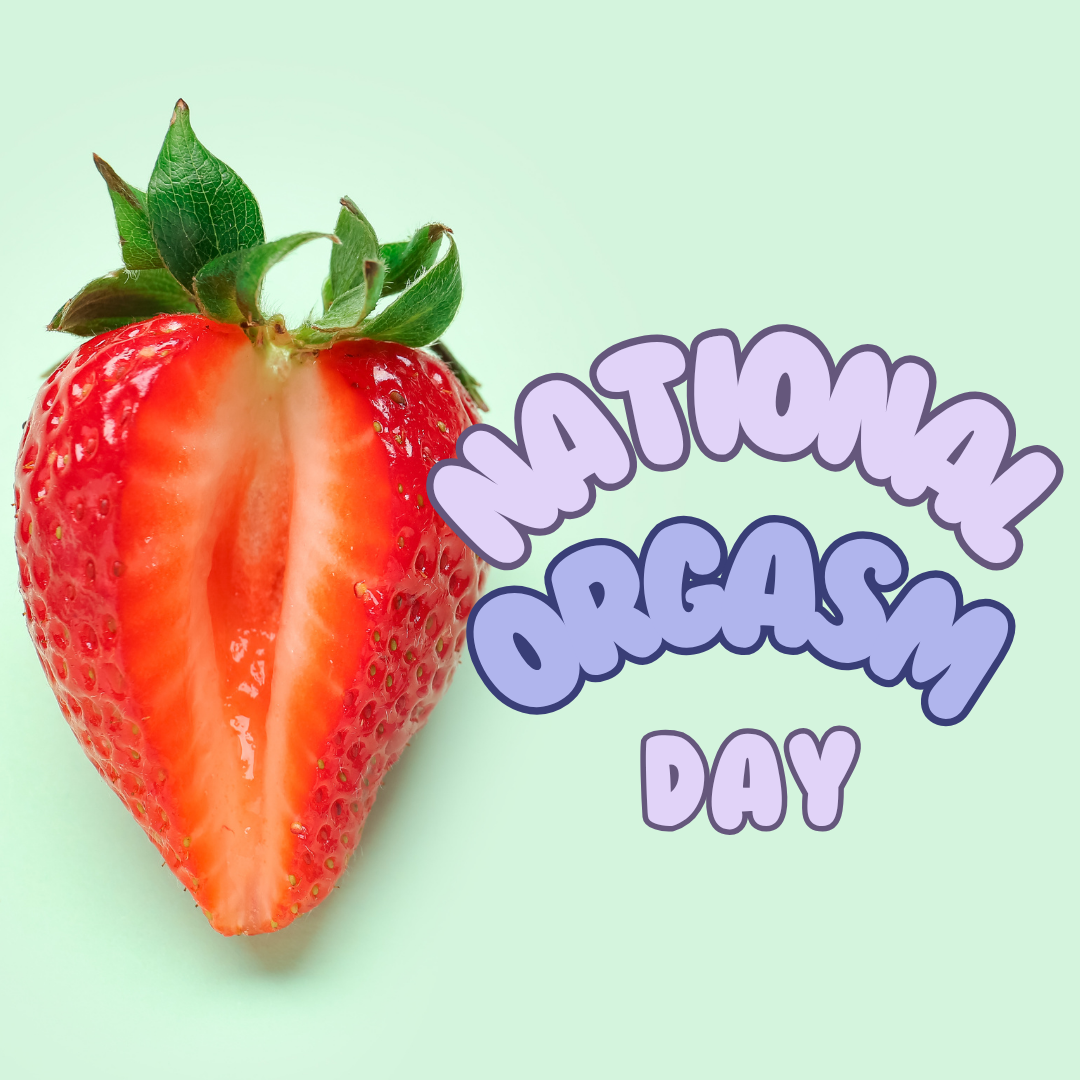
National Orgasm Day, observed every year on July 31st, might raise a few eyebrows—but it shouldn’t. This lighthearted yet powerful day is a reminder of something deeply personal, yet often misunderstood, stigmatized, or ignored: pleasure.
It’s not just about the climax—it’s about understanding our bodies, embracing sexual wellness, and challenging outdated taboos around sexuality. Whether you’re partnered or solo, sexually active or celibate, National Orgasm Day opens the door to honest conversations about what it means to feel good in your body.
What Is National Orgasm Day?
First celebrated in the early 2000s, National Orgasm Day is part of a growing global movement that connects sexual rights to overall well-being. It’s a time to reflect on pleasure as a human right, not just a luxury or afterthought. While the day is playful by nature, it’s also a gateway to deeper topics like sexual education, gender equality, body autonomy, and access to pleasure-centered health resources.
Why Talk About Orgasms?
The orgasm, despite being a natural bodily response, is still clouded in myths and misinformation—especially when it comes to women, queer people, and people with disabilities. Conversations about orgasms are often limited, clinical, or completely absent in sex education.
Here’s why it matters:
- Knowledge is power: Understanding how your body works fosters confidence, consent, and communication.
- Pleasure is health: Orgasms release oxytocin and endorphins, reduce stress, and can even improve sleep and immunity.
- Closing the “orgasm gap“: Studies show that cisgender men report more frequent orgasms than cisgender women in heterosexual encounters. That’s not a biological inevitability—it’s a result of how society treats female and queer pleasure as secondary.
How to Celebrate
Celebrating National Orgasm Day can be fun, educational, and empowering. Here are a few ways to honor your body and expand your pleasure literacy:
- Explore solo pleasure: Masturbation is a safe, natural way to discover what you like. Try a new toy, read some erotic literature, or simply take your time with yourself.
- Learn something new: Read a book or listen to a podcast about sexual wellness or anatomy. Come As You Are by Dr. Emily Nagoski is a great start.
- Talk about it: If you’re in a relationship, discuss your desires and fantasies openly. It’s a gift to yourself and your partner.
- Break the silence: Use your voice on social media or in real-life conversations to normalize talking about orgasms, consent, and pleasure.
The Bigger Picture
National Orgasm Day isn’t just about the physical sensation—it’s about reclaiming pleasure as a part of wellness. It’s about erasing shame, amplifying marginalized voices, and making room for a future where everyone can feel safe and empowered in their sexual expression.
So whether you spend the day under the covers, with a book in your hand, or raising awareness online—remember this: Your pleasure matters. Your body matters. And you deserve to enjoy both.
Shop Fantasy Gifts NJ—Online or In-Store
Explore your fantasies in Marlton, Turnersville, or Lumberton with staff who make shopping sexy, safe, and judgment-free. Prefer shopping online? FantasyGiftsNJ.com ships discreetly in plain packaging, with free shipping on orders over $69. Your little secret stays yours, but the adventure starts the moment you hit checkout.
Marlton: 735 W Route 70, Marlton, NJ 08053 | 856-596-0676
Turnersville: 5101 Black Horse Pike, Turnersville, NJ 08012 | 856-228-7002
Lumberton: 1603 NJ-38, Lumberton, NJ 08048 | 609-491-7521