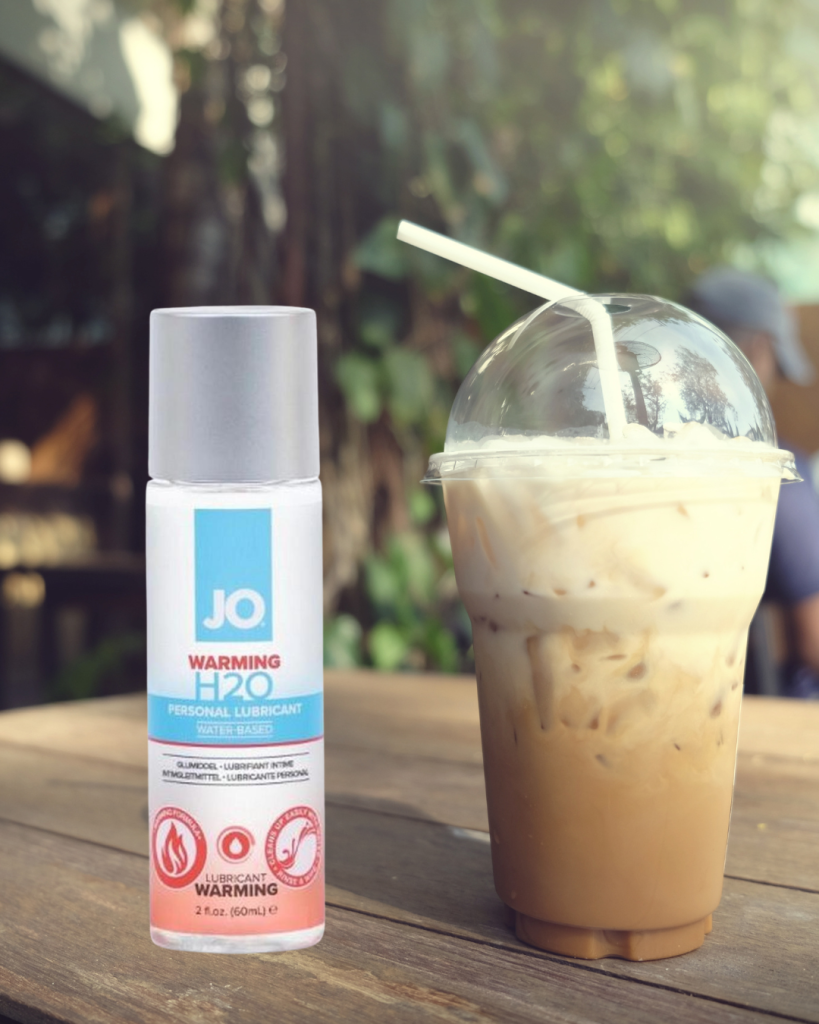

Why Use Lubricant? Because Comfort Should Be Part of the Experience
One thing we wish more people knew at Fantasy Gifts:...
Read More

The catch? Not all lubes are created equal. Some feel amazing for five minutes and then turn into sticky regret. Others can irritate sensitive skin or throw off your vaginal comfort. And some are perfect… as long as you’re not using them with a specific toy material.
So let’s do this the Fantasy Gifts way: judgment-free, body-positive, and actually useful.
Before you grab the prettiest bottle on the shelf, ask yourself:
There’s no gold-star lube that wins for every person in every situation. But there is a best match for your situation.
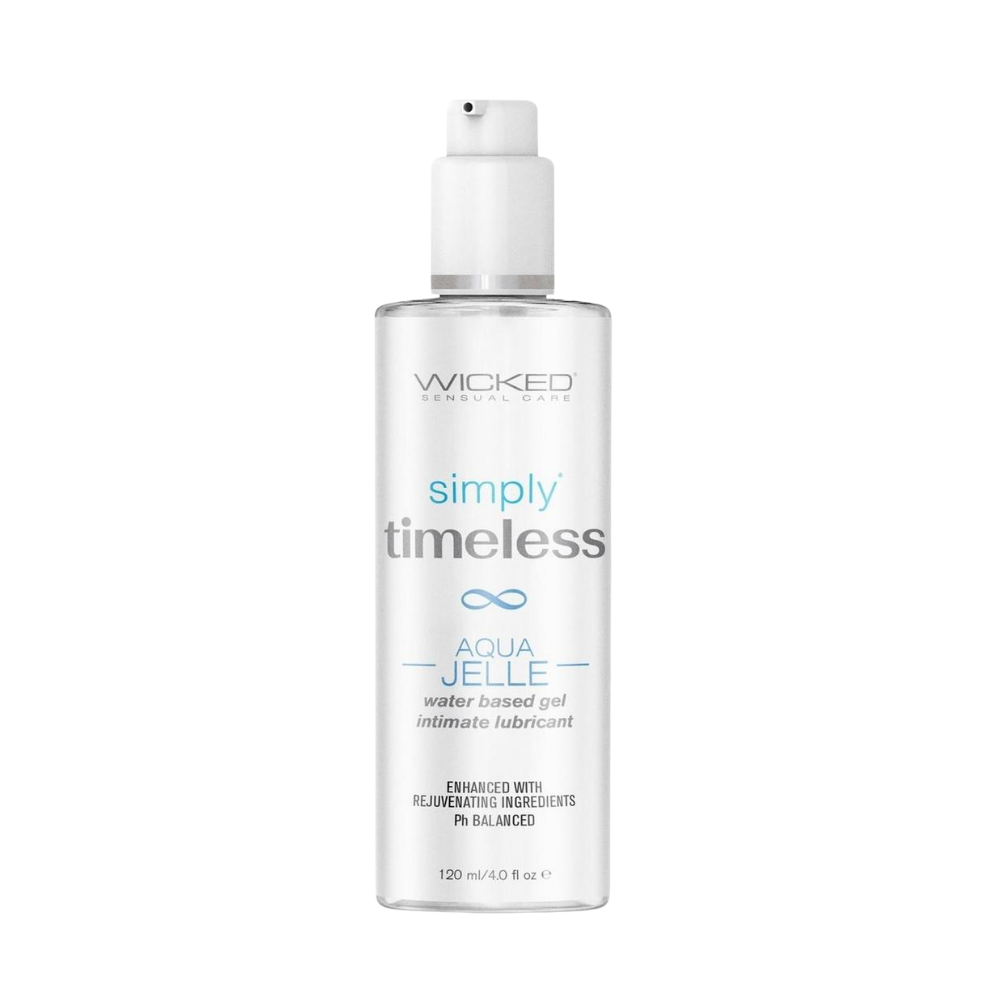
Water-based lubes are the most common and easiest to find. They tend to feel closest to the body’s natural lubrication and are usually the easiest to clean up.
Best for:
The downside:
Pro tip: If you love water-based lube but hate reapplying, keep a bottle within arm’s reach and treat it like chapstick: reapply early, not after you’re already uncomfortable.

Silicone lubes are the “go long” option. They’re super slippery, last a long time, and don’t rinse away easily—making them a favorite for longer sessions and shower play.
Best for:
The downside (important):
Toy-safe workaround: If you really want silicone lube but your favorite toy is silicone, you can use a non-latex condom on the toy (check compatibility) to create a barrier. Ask in-store and we’ll help you pick the right combo.
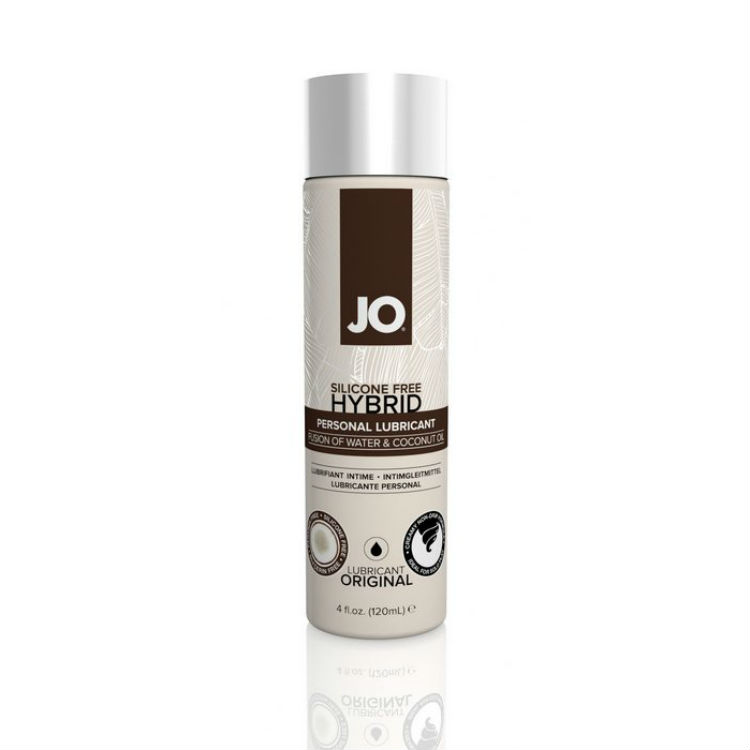
Hybrid lubes combine water and silicone. The goal is a lube that lasts longer than water-based but cleans up more easily than full silicone.
Best for:
The downside:
Oil-based options (including plant oils) can feel rich and moisturizing. Some people love them for external play or dryness.
Best for:
Big caution: Oil breaks down latex condoms (and some other barrier materials), making them less effective for pregnancy and STI prevention.
If you rely on condoms, oil-based lube is usually not the move—unless you’re using a barrier method that’s specifically oil-compatible.
Here’s the quick cheat sheet:
If you’re ever standing in the aisle thinking, “Wait… what is my toy made of?”—you’re not alone. Bring it in (or show us the product page) and we’ll help.
Let’s normalize this: burning, stinging, or itching after lube isn’t a moral failing. It’s usually a formula mismatch.
Some common reasons:
If you’re prone to irritation, you want to keep things simple, gentle, and body-friendly.
You don’t need a chemistry degree to shop smarter. Here are a few ingredients and categories worth paying attention to.
Your vagina has a natural pH range that helps support a healthy microbiome. When a lube’s pH is way off, some people notice irritation or discomfort.
Rule of thumb: look for a lube that’s designed to be pH-balanced for vaginal use if that’s your goal.
Osmolality is a measure of how concentrated a water-based solution is. Some water-based lubes are so concentrated that they can pull water out of tissues—aka the opposite of what you want.
This is one reason some people feel drier after using certain water-based lubes.
Every body is different, but if you’re sensitive or prone to irritation, you may want to be cautious with:
And remember: “natural” isn’t a free pass. Your body doesn’t care about marketing. It cares about ingredients.
Hormones can shift tissue comfort and lubrication over time. If something that worked 10 years ago suddenly feels “meh,” you’re not broken—your body is just in a new chapter.
Many people in this stage prefer:
If dryness is persistent or sex is painful, it can also be worth talking with a healthcare provider or pelvic floor specialist. Comfort is not a luxury.
Anal tissue doesn’t self-lubricate like vaginal tissue, so lube isn’t optional—it’s part of safer, more comfortable play.
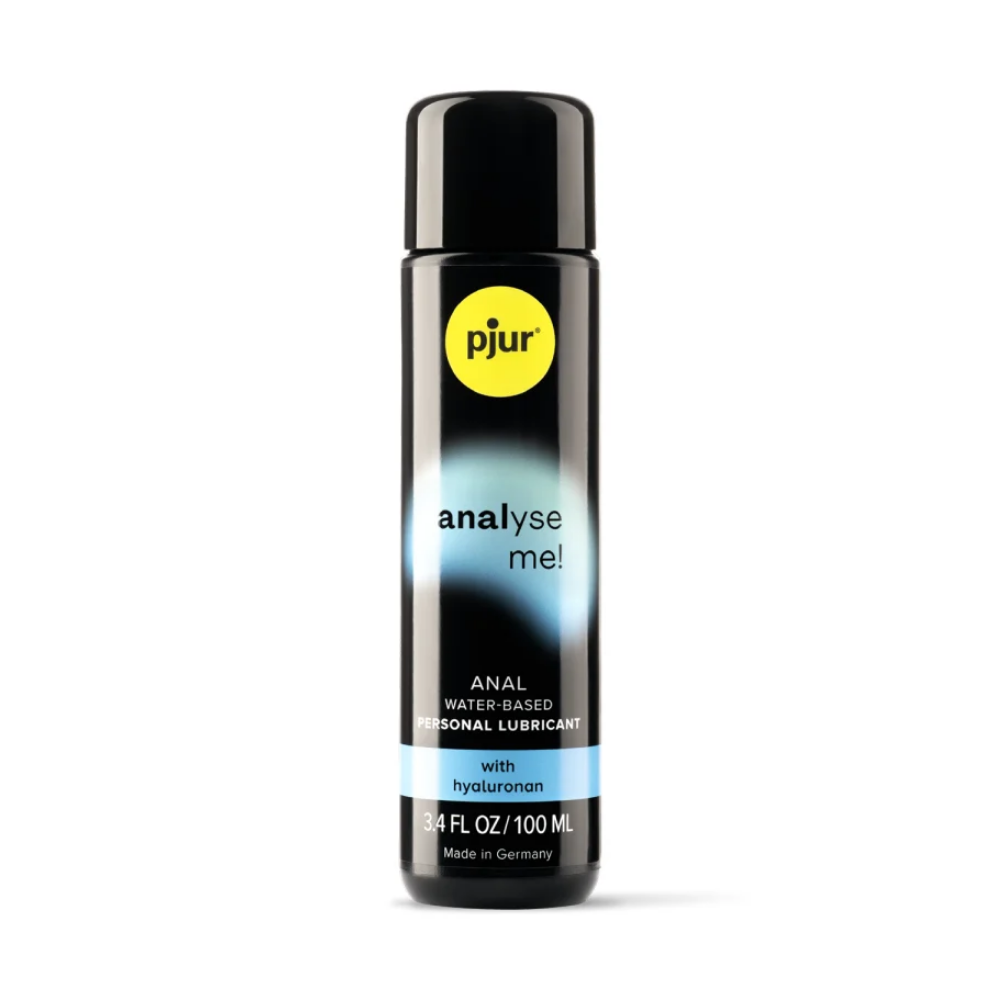
Many people prefer:
Go slow, use more lube than you think you need, and reapply before friction starts.
Condom compatibility matters. In general:
If you’re not sure what your condoms are made of, ask us—we’ll help you match your barrier method with the right lube.
Some lubes can make it harder for sperm to move. If conception is the goal, look for a lube that’s specifically labeled as fertility-friendly.
If you want the fast answer:
You never have to guess alone. If you tell us:
…we can point you to a lube that fits your body and your vibe.
Because pleasure should feel good during and after—not like a science experiment gone wrong.
This article is for educational purposes and isn’t medical advice. If you have persistent pain, recurrent infections, or ongoing irritation, consider speaking with a healthcare provider or pelvic floor specialist.

One thing we wish more people knew at Fantasy Gifts:...
Read More
Walking into an adult store for the first time can...
Read More
According to a recent Wall Street Journal report, the average...
Read More
Yes—using lubricant is normal. In fact, a good lube can...
Read More